In New York, the apps can feel like a second job you never applied for. You’re swiping on the subway after work, matching with someone who looks great until you realize they’re three transfers away on a Tuesday night. I’m a matchmaker, which means people tell me the unvarnished version of how dating in NYC actually goes.
So here are honest reviews of the best dating apps and sites for New York, what each one is genuinely good and bad at, and how one of my clients audited them borough by borough (before we set her up with a date that actually worked out). I’ll also be straight about which apps are more casual and which actually help you find a serious relationship. The client’s name and a few details are changed; the pattern is one I see all the time.
This is just a quick rundown of how the main apps stack up for a New Yorker who wants more than a Saturday-night maybe:
App
Best For
Serious or casual?
The catch
Hinge
Serious daters who put in the effort
Serious / long-term
The most work, but the best conversations
Bumble
Women who want first-move control
Leans serious
24-hour timers add pressure
Tinder
Volume and speed
Skews casual
Most matches, most noise
OkCupid
Compatibility by questionnaire
Serious-leaning
Long signup, no in-app video
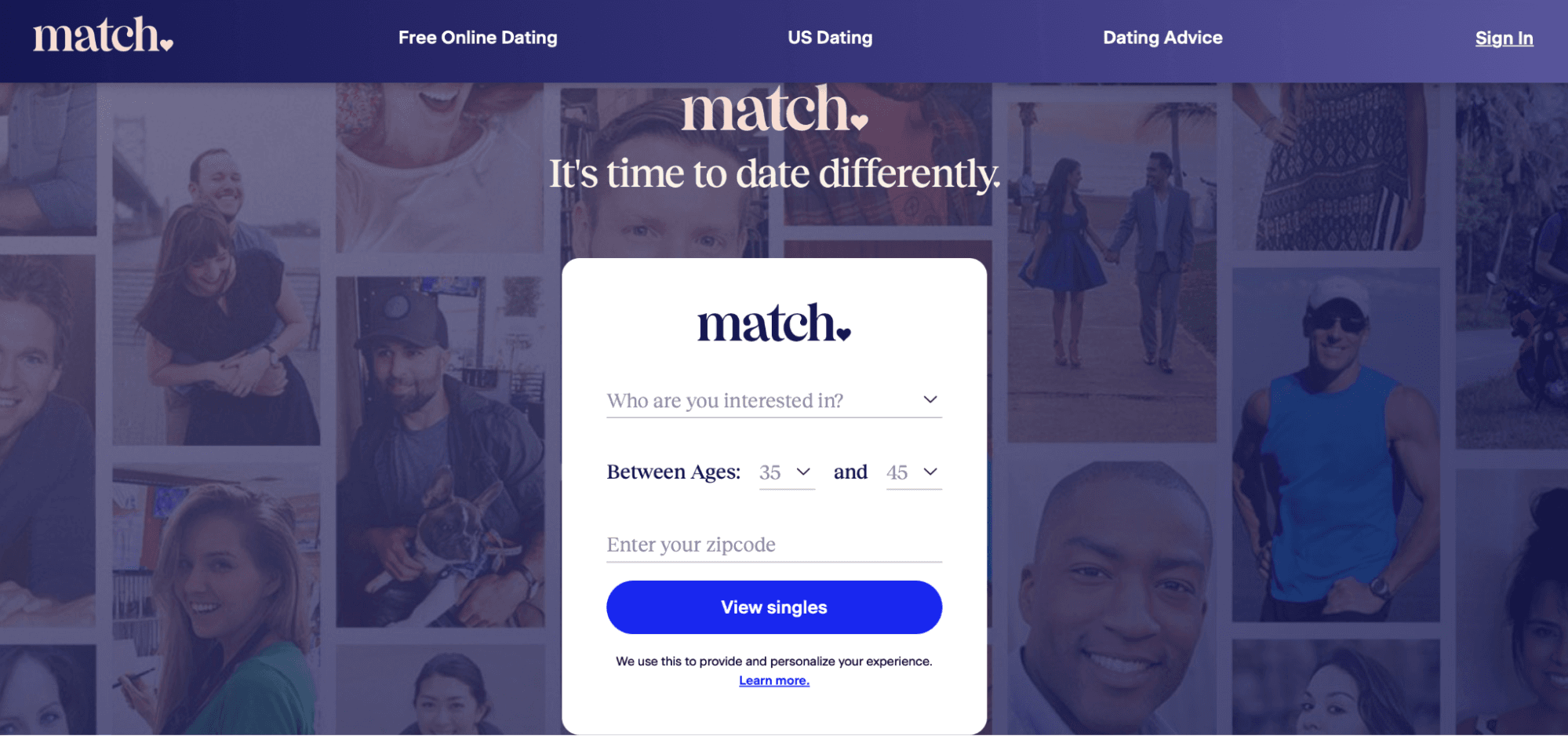
Match
30s to 50s who want a paid, intentional option
Serious / long-term
Free tier is barely usable
Coffee Meets Bagel
Anti-swiping, curated daily picks
Leans serious
Calmer, but slow in a big city
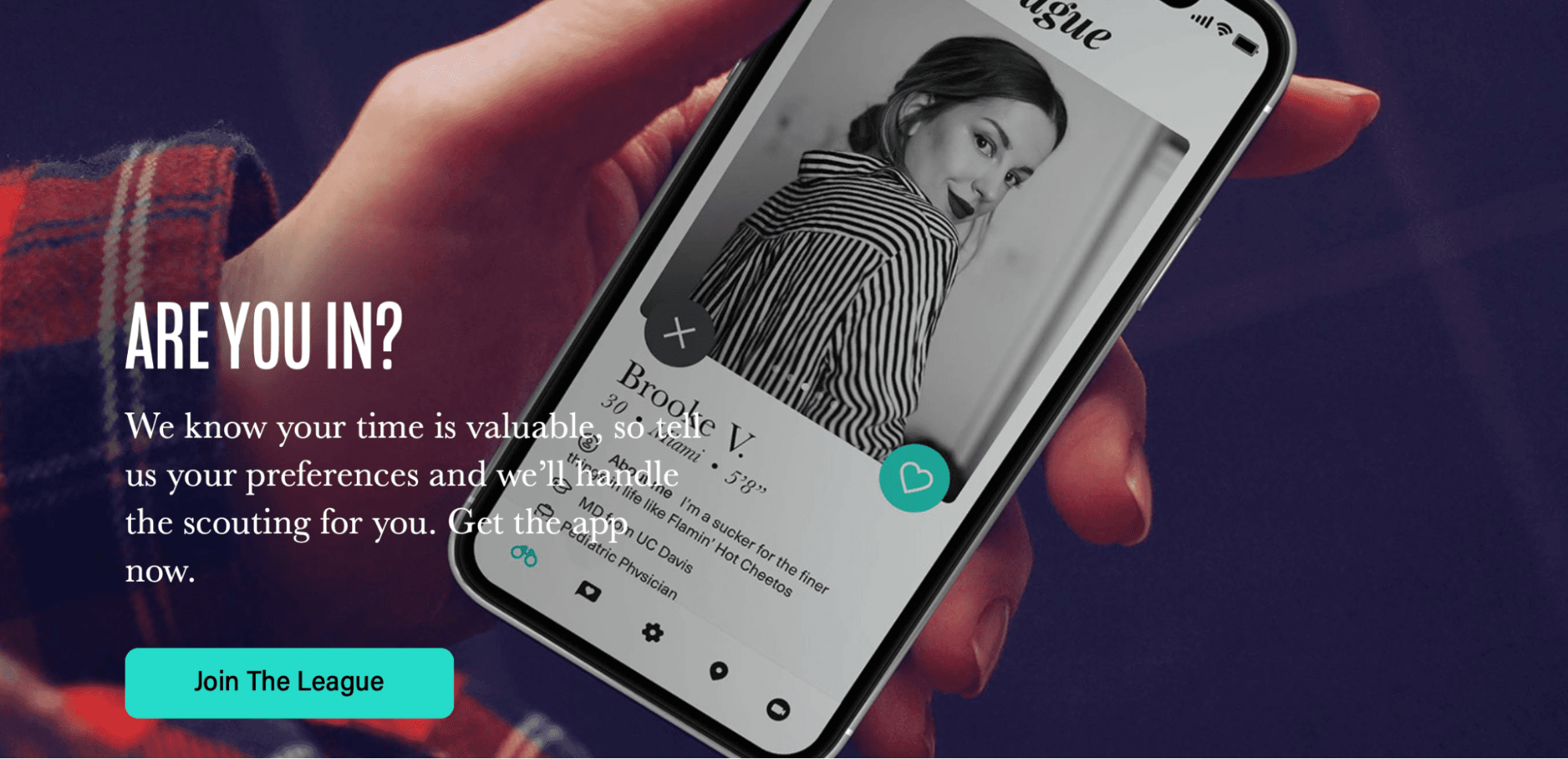
The League
Career-focused professionals
Serious / selective
Waitlists and a try-hard reputation
Happn
Proximity and crossed paths
Mixed
Fun in dense NYC, thin on matches
The Best Dating Apps and Sites for NYC, Reviewed
My client (I’ll call her Dana) did an experiment. Single again at 38 and living in Williamsburg, she gave each app a month and tracked one number: not matches, but actual dates that came from them. The first thing that broke was her radius. A five-mile setting looked fine on a map and was nonsense in practice, since a “close” match in deep Brooklyn was an hour and two transfers from her place, while someone in Lower Manhattan or Long Island City was a straight shot. Once she filtered by “would I go there on a Tuesday night,” her date rate climbed, and the date spots landed everywhere from the East Village to Central Park.
Here’s how the apps performed for her, starting with the ones worth your time.
Hinge
Hinge is the one I hear about most from clients who want a relationship, and it’s where Dana met the most people who wanted the same thing she did, especially in Manhattan and brownstone Brooklyn. The prompts make your dating profile feel like a person instead of a billboard, the limited daily likes push you toward people rather than endless swiping, and the matching algorithm sharpens the more you tell it. For serious dating, it’s the strongest of the apps here.
Bumble
Bumble built its name on women messaging first, though anyone can start the conversation now. The 24-hour windows cut down on dead matches but add a ticking-clock pressure some people hate. Its safety tools are genuinely useful in a city of strangers: free in-app video and voice notes let you screen someone before you hand over a phone number.
Tinder
Tinder is still the volume play: more people, faster, especially in a city this size, which also means more noise and more casual energy. Dana filled her calendar fast here, mostly with people after something lighter. To its credit, Tinder is trying to shed the hookup label, and its own survey data points the same way: 56% of young daters say the term ‘hook up’ feels outdated or now means something different than it did a generation ago. Useful for momentum and practice; just go in clear about what you want.
OkCupid
OkCupid leans on a long questionnaire, sometimes hundreds of prompts, to build compatibility percentages, and its options for gender and orientation are among the most inclusive. New Yorkers who want serious matches like the depth. The downsides: the signup is a slog, there’s no in-app video, and those compatibility scores are only as accurate as people are honest in the questionnaire.
Match
Match has been around since the 1990s and skews a little older and more intentional, with a big share of users in their 30s and 40s. You can search by your own criteria instead of only swiping, and it runs video chat and in-person events. The honest knock: the free tier is barely usable, so it’s effectively a paid product.
Coffee Meets Bagel
Coffee Meets Bagel kills the swipe and hands you a small set of curated matches a day, which suits people sick of the slot-machine feeling. For Dana, out in the outer boroughs where the commute can be unforgiving, the daily curated picks plus in-person options (a run club, a language class) did more than any swipe. The trade-off in a city this big is speed: the daily trickle can feel slow when you want momentum, and expanding your options costs in-app currency.
The League
The League is for career-focused professionals and asks you to connect LinkedIn, with a waitlist meant to signal exclusivity. Dana appreciated the career-driven matches it surfaced, though my clients are split on it: some love the ambition-matched introductions, others find the match volume thin. In NYC it’s worth a look if your career is central to who you are and you have patience for the waitlist.
Happn
Happn shows you people you’ve literally crossed paths with, which sounds perfect for dense, walkable New York. In practice, it’s fun to see who you passed in the East Village, but the match volume runs thin, and the profiles can get scammy. Treat it as a fun supplement, not your main app.
The Casual and Niche Apps
A few more apps come up constantly for NYC, and they belong in a different category than the ones above:
Feeld, for non-monogamy and strictly casual dating
Grindr, the default for queer men and largely for casual hookups
Raya, invite-only and aimed at creatives and public figures
eharmony, the old-guard, long-questionnaire site that still leans marriage-minded
When you’re looking for a relationship, there’s no comparison
Tired of swiping with no real connections? Tawkify takes a fresh approach to the process. With handpicked matches tailored just for you and personalized introductions, we do the work so you can focus on what matters — meaningful connections.
80% of people find success with Tawkify
3 Million+ relationship-ready singles
200,000 Successful connections and counting
When the Apps Stop Working in NYC
The catch with the apps in NYC is effort. The good ones are closer to homework than fun, and most skip background checks, so the vetting falls to you; put in the work, and they can deliver; coast, and they just eat your evenings. The swiping becomes the second job, the best matches stop replying, and the whole NYC dating scene starts to feel, as one New Yorker put it, gamified and pay-to-play.
If you’ve hit that wall, you’re ready for a matchmaker to step in. If you’re tired of dating apps, there are better ways to date than swiping through them alone, and our take on big-city dating gets into the wider playbook.
With Tawkify, you skip the swiping, not the human contact. A matchmaker gets to know you on a video call, then hand-picks and screens each match and plans the date, so showing up is the only thing on your plate. It works: 80% of clients find success, drawn from more than three million relationship-ready singles, with over 200,000 connections made. If you’d rather have someone do the searching, you can find your match through curated matchmaking in NYC.
Get Started Toward Your Last First Date
Dana is dating someone now, and that didn’t come from the apps. The right match came once she stopped treating dating like a numbers game and let an actual person do the sorting for her. If you’re in that same boat, worn down by the swiping and ready for something more deliberate, talk to a Tawkify matchmaker. We’ll help you toward your last first date.
Frequently Asked Questions
These are the questions I hear most from New Yorkers sizing up the apps.
Is Hinge or Tinder better in NYC?
For a serious relationship, Hinge, almost every time. It leans on prompts and stated intent, so the conversations go deeper, and the matches tend to want more than a fling. Tinder wins on sheer volume and speed, which helps if you want lots of low-stakes practice fast, but you’ll wade through more casual energy to find someone serious. Pick Hinge for quality, Tinder for quantity.
Which dating app has the highest success rate?
No app publishes a verified success rate, so the honest answer isn’t a single winner. What the data does show is that online dating works often enough to be mainstream: about three in 10 U.S. adults have used a dating site or app, one in 10 partnered adults met their partner that way, and that rises to one in five among those under 30. More people call the experience positive than negative. Tinder is the most-used app, but “most-used” is not the same as “best for you”. Success comes down to your intent and effort far more than the logo on the icon.
What is the 333 rule in dating apps?
It’s a popular shorthand for not letting app-chatting drag on: roughly, talk to no more than three matches at once, keep replies to about three minutes so you don’t overthink them, and aim to meet within three days before the conversation goes stale. I like the spirit, which is to get off the app and actually meet people, but I wouldn’t treat the numbers as gospel. The point is momentum, not arithmetic.
Which dating apps are best for serious relationships in NYC?
Hinge first, for the reasons above. The League and Match are strong if you want a more curated or filtered set of options and don’t mind paying, and OkCupid’s questionnaire rewards people who fill it out honestly. The casual-leaning apps, Tinder included, can still lead to a serious relationship, but you’ll do more sorting to get there. And if the sorting itself is the problem, that’s exactly where a matchmaker comes in.
Related Posts
Get Started Toward Your Last First Date
Try Tawkify today. We only accept candidates we believe we can match.
There’s no doubt New York City is a magical playground of entertainment with
attractions and activities around every corner, but it’s easy to get into a rut
when it comes to date ideas in the city. Maybe your tried-and-true first-date
spot has lost its charm, or you and your partner have grown bored of your […]
Is dating in a big city easier? It depends. Many people assume big-city dating
is easier than small-town dating, but the reality is that dating in a big city
can bring its fair share of challenges. Sure, a lot of singles live, work, and
play in the city, but how exactly do you meet them, […]
Finding your person isn’t always easy. You might be spending all your free time
editing your profile and swiping left and right, but no matter how hard you try,
you’re not having any luck on the dating apps. And that can be discouraging. If
this sounds familiar, you’re not alone. In fact, various surveys of […]